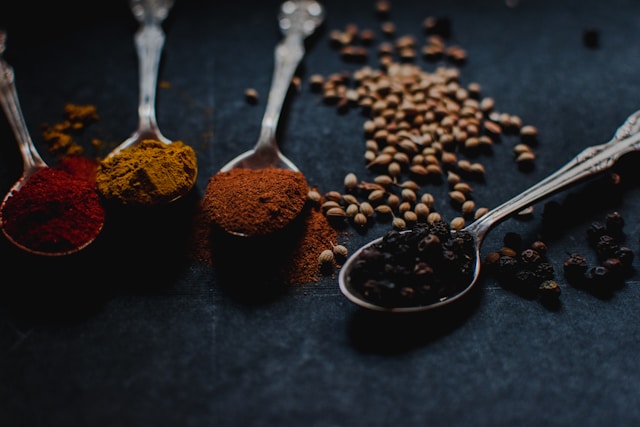
Let’s imagine for a moment that you have just gotten your first apartment and your roommates invite a few friends over for dinner before even unpacking, and then you quickly realize that the only spices you own are a tiny tin of saffron that you bought with your entire paycheck because it smelled so good and a jar of garlic powder that seems to have solidified from years ago. This means that even though you’re probably going to order pizza tonight, it’s now extremely evident that every home cook requires a good assortment of basic spices.
Since every cook has a different definition of “essential,” we built our list around the spices that Bon Appétit recipes frequently call for and BA editors use in their weekly cooking. Our favorite spices are listed below, along with dried herbs and dried seeds, barks, fruits, and rhizomes. (We prefer to use fresh herbs whenever feasible, but occasionally there’s nothing in the fridge so dried oregano comes in handy.)
Before we get started, we wanted to clarify a few points regarding our extremely particular spice list. First, you’ll notice that occasionally we suggest the same spice obtained from different nations, such as Grenada Gold nutmeg from the Caribbean nation’s St. Andrew region and Anamalai nutmeg from the state of Tamil Nadu in southern India. The same spices grown in different places of the world have varying tastes, but they are often interchangeable (unless there are pronounced variances). There is no better option. Nevertheless, using spices from the country of origin makes sense when preparing a meal from a particular culinary culture. Gazing upon you, paprikash chicken.
Second, we adore spice mixtures! Say hello to sazón, garam masala, and za’atar!—but the benefit of stocking up on individual spices first is that you can quickly create your own mixes.
Third, don’t freak out if the list below seems too much to handle. Choose from a pre-selected assortment such as Spicewalla’s Kitchen Essentials, the Spice House’s Essential Spices or Kitchen Starter Collection, or Burlap & Barrel’s 6-, 9-, or 12-jar Fundamental package.
Lastly, although your neighborhood store should carry all or most of the spices on this list, we prefer to purchase from companies that use ingredients that are sourced fairly.
Although complex in flavor and aroma, allspice is a single berry that is dried and occasionally powdered. It adds fragrant warmth to both sweet and savory recipes, but it is not, as many believe, a blend of “all spices.” It is smoky and nutty, with overtones of clove, cinnamon, and black pepper. It is frequently used in Mexican and Caribbean cuisines. Taste it in this chicken seasoned with Jamaican jerk or go sweet with BA’s Best Apple Pie.
Cardamom
From delicate yeasted breads to hearty curries, Middle Eastern and Scandinavian cuisines all feature these flowery seeds hidden inside pale green pods. When used sparingly, cardamom’s sweet, piney, almost menthol-like flavor and aroma could overshadow a meal, but when combined with other spices, it mixes in well and creates a wonderful, subtle perfume. One of the three options is to either add the pods straight to the food you’re preparing, grind the entire pod into a powder, or crack the pods apart, take out the seeds, and then pulverize them. 1 teaspoon of crushed cardamom equals 10 entire pods or 100 seeds. Deliciously discover cardamon with a large cardamom bun or a straightforward carrot cake, or try this take on molokhia or these quick seekh kebabs.
Chile Powder & Flakes
The variations among the many types of chiles (as well as dried flakes and powders) that are available worldwide may fill a thousand words, but it would require its own article. We will state that, while there isn’t one type of chili you must have, your kitchen most certainly requires at least one. If it fits into your budget, consider trying out a few different flakes and powders. Dried and then crushed chilies make up chili flakes. One type may predominate, or there may be a combination of several. The finely powdered variants of one chile variety, which may lean toward a particular flavor character, are usually found in containers labeled “chile,” “chile powder,” or “chile pepper.” Additionally, pay particular attention to the label if a jar is labeled “chili” powder because, in addition to ground chiles, it could also contain ground cumin, paprika, and garlic powder.
“Crushed red pepper,” a type of chile flake that is mostly manufactured with cayenne peppers, is the most popular variety seen in American supermarkets. These red pepper flakes are quite hot without adding much more flavor, so they work well with a variety of dishes, from Thai green curry-infused rice bowls to Italian-American chicken parmesan. Get particular if you want chile flakes with more flavor. While the zesty warmth of fiery red Kashmiri chile powder shines in South Asian recipes, the sweet earthiness of ancho chile powder works best in meals with a Mexican influence. Earthy-flavored Aleppo pepper shines in Middle Eastern dishes like muhammara; mild, fruity Korean gochugaru lifts a basic braised tofu; and smoky-sweet Urfa biber gives meat rubs a little something extra.
Cinnamon
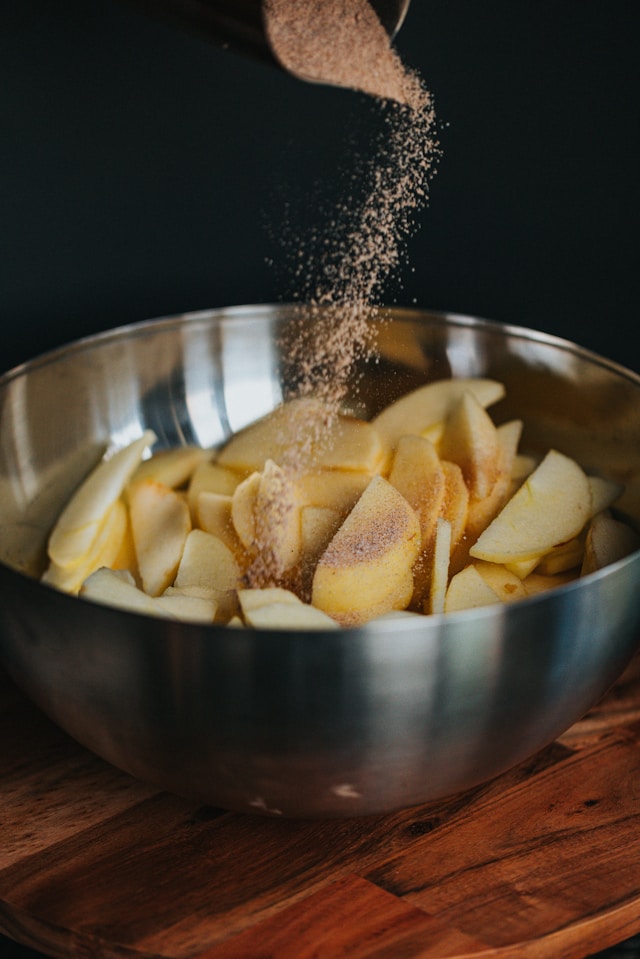
Despite being one of the most widely used warm spices, cinnamon is far from simple. Purchasing cinnamon from carefully chosen spice suppliers might result in a strong, aromatic flavor that leaves you wondering if it was sweetened.
The genus Cinnamomum contains four commercially grown varieties of cinnamon, although the cinnamon we use in cooking usually belongs to two groups: cassia and Ceylon. The type of cassia that is most frequently found in American supermarkets in ground or stick form is the dark, sweet variety, which is generally imported from China, Vietnam, and Indonesia. Ceylon, sometimes referred to as Cinnamomum verum, zeylanicum, or “true cinnamon,” is mostly farmed in Sri Lanka and has a flavor that is more citrus-forward and almost savory. It also has a softer scent. While they are technically interchangeable, kinds of cinnamon differ so much in flavor that, if you can find both, try them both and discover which you like better. Perhaps you’ll mix one into buttery tomato rice and have one on hand for sticky cinnamon buns.
Clove
Spicy-sweet cloves, which are bright pink while fresh, dry to a deep reddish-brown color and have a molasses-like flavor. They go well with pumpkin crumb cake, mulled wine, and the broth of beef pho. Cloves are native to Indonesia, but they can now be found in India, Sri Lanka, and Zanzibar. Varieties cultivated in different places can have varied forms and can have varying degrees of sweetness or smokiness, but they will all generate the same base flavor notes. For instance, cloves from Sri Lanka are richer and plumper than those from Indonesia.
Coriander
The fruit of the same-named plant, though we tend to call it cilantro in the US, is these yellow-brown seeds, which have an entirely different flavor from the tender, fresh leaves. Coriander seeds, which are crisp and floral, give food an instant lemony freshness. Whole pickle brines and Indian curries, crushed into marinated lentils, or blooming in hot oil for a burst cherry tomato sauce are some of our favorite ways to enjoy them.
Combine
After thousands of years as a mainstay in Central and Western Asia, Spanish and Portuguese immigrants eventually brought cumin to North and South America. Conversely, the aromatic, zesty, slightly musty spice appears in a wide variety of dishes, such as Moroccan tagine and north Indian dal palak, as well as northern Chinese lamb noodles and Mexican carne asada. The seeds are usually fine enough to add straight to food, but pulverized seeds work better for incorporating into foods like chili.
Fennel
As early as 490 BC, fennel was recorded in Greek tablets under the term “márathon.” Yes, this is the same fennel that gave rise to the Greek city’s name, which means “a place full of fennel,” and consequently to the race. These days, Turkey, Egypt, and India are usually the places where its seed is gathered. Fennel seed has an earthy, licorice-like flavor and is almost as green as the plant it grows into. Fennel is a flavor that combines well with pig, so you might recognize it from sweet Italian sausage. However, it can be used in a variety of dishes, such as filling biscuits, sweet panna cotta, roast chicken, and spicy oil drizzled over fresh tomatoes.
Powdered Garlic
Garlic powder and fresh allium are very distinct even if the former is a dried and ground form of the latter. The funky-savory flavor qualities of raw garlic are retained in garlic powder, but it lacks the sharp bite and wetness. This makes the powder perfect for use in popcorn, party mixes, and dry rubs (like this crispy karaage). Garlic powder maintains its mild intensity while raw garlic becomes more potent after grating. Use it in dressings such as this homemade ranch that will last for several days.
Ginger
By volume, ground ginger that has dried out is significantly more potent than fresh rhizome. This is caused by the strong shogaol molecules found in ginger, which are some of the aromatic biochemicals found in the plant and which multiply when the plant dries. One tablespoon freshly grated equals around ¼ teaspoon of ground. Ginger, which is usually imported from China or India, gives everything it comes into contact with a spicy-sweet warmth, from sesame tofu to sweet zucchini bread.
Mustard
It’s all due to mustard the seeds, not mustard the condiment. Heat the seeds in an oil or dry pan to create a sharp, fragrant kick similar to horseradish and wasabi. This invigorates pickle brines and oil-based sauces, such as tadka and salad dressing. The two types of mustard seeds you’ll find in grocery shops are yellow (milder) and brown (more strong). If you encounter black mustard, however, don’t hesitate to buy it. It’s the ideal counterpoint to creamy meals like raita because it’s more spicier than brown seeds. (Technically, you can use any of the three versions interchangeably; however, if you’re using a more potent variant, start with less and work your way up.)
Ginger
Numerous historical stories state that nutmeg was so valuable to Dutch colonists that they exchanged the Banda Islands of Indonesia—then the only supply of the spice in the world—for Manhattan when they sold the island to the British. It is now grown in the Philippines, Indonesia, India, Sri Lanka, and the Caribbean. Ground nutmeg loses its vibrancy with time, so if you can, buy it whole. Nutmeg is highly aromatic and has a nutty sweetness. It is now a common ingredient in many recipes, ranging from spice biscuits to a (strong) pinch in béchamel.
Oregano
Although it tastes fantastic on a slice of pizza, dried oregano is useful for so much more. Oregano, is member of the mint family and native to the Mediterranean region (mostly Greece, Turkey, and Italy), has a fragrant lemony and piney aroma and is typically found in US supermarkets. Most recipes calling for oregano, such as these slow-roasted peppers, can substitute this version for the fresh; use one teaspoon dry to every one tablespoon fresh. Cultivated in parts of Latin America, Mexican oregano has a more earthy flavor and is related to verbena. Use it in Southwestern dishes like black bean nachos and Mexican recipes like pollo al carbon.
Paprika
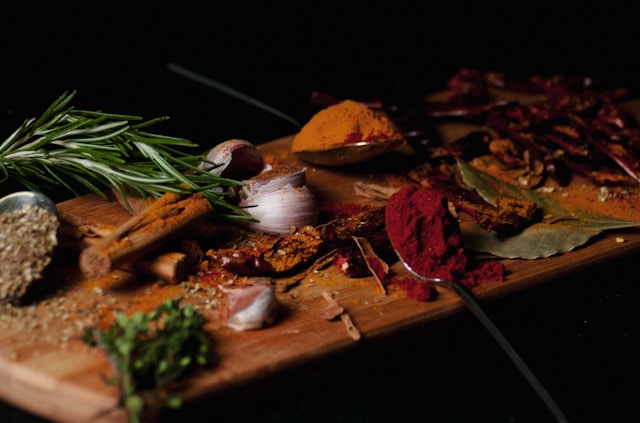
Like the several varieties of chile powder discussed above, paprika is a powder manufactured from dried chiles of the Capsicum annuum species, but it is deserving of special attention due to its unique flavor and frequent use in recipes. Paprika, in its sweet, smoked, and spicy versions, adds a blazing red hue to everything it touches, from Hungary to Spain. Unlike other types, smoked paprika is cured over a fire rather than merely by air. Hungarian paprikas improve goulash and chicken paprikash, whereas Spanish paprikas, also called pimentón, are used to season chorizo and patatas bravas. However, we adore this spicy seasoning for its adaptability—just take a look at this smoky paprika potlikker.
Pepper
You are aware of and adore it. Black pepper, in particular, is one of the most well-known spices in the kitchen. The subtle spice of black peppercorns blooms in simple dishes like cacio e pepe. Two additional peppercorns come from the Piper nigrum plant; they are all the same fruit, simply processed or ripened to differing degrees. Picked before the fruit reaches its full ripeness, green peppercorn has a sharper flavor than its dried black counterpart; imagine it as a spicy caper for a steak au poivre. Then there’s white pepper, which is a fermented peppercorn that’s marinated in water and utilized in Southeast Asian and European cuisine (try it in nasi goreng).
In reality, a lot of different “peppercorns” that you can encounter are not pepper. Consider spicy Sichuan peppercorns from Zanthoxylum plants and fruity pink peppercorns, which are delicate berries with a lovely magenta hue similar to cashews (like sumac, below).
Saffron
Saffron is reputed to be expensive, but it’s well worth the expense when you consider that just a small pinch of the scarlet threads adds an unmatched flowery, grassy, honeyed flavor and a beautiful golden tint to savory as well as sweet recipes. It is a staple in many savory and sweet rice dishes from Iran, India, Spain, and Italy such as; tachin, risotto, paella, biryani, and shrikhand.
Star Anise
Star anise is a very aromatic spice with licorice overtones that works well in a variety of savory Chinese and Vietnamese dishes. Try the full snowflake-shaped pods in vegan pho or tomato-soy udon; they provide a rich scent to any soup. Star anise is a spice that tastes great when crushed and combined with other flavors to create delicacies like this vanilla custard.
Sumac
For millennia, Middle Eastern cuisine has been enhanced by the tart and purple sumac, which can be compared to a powdered lemon with more tang. Fun fact: The red berries are a member of the cashew family, therefore they grow as flowering, fruit-bearing shrubs just like pink peppercorns. Nowadays, a lot of sumac sold is cured with salt instead of sun-drying, which is a popular historical method of preservation that better retains the fruit’s unique color and flavor. The incredibly versatile spice can be used in a wide variety of foods, including yogurt semifreddo and poultry meals like musakhan.
thyme
The mint and oregano families include Greek, Turkish, and French thyme. Thyme is crucial in dishes from Southern Europe and the Mediterranean because of this relationship, which lends it a piney, herbal character. For example, in this roasted winter squash or mushroom polenta, replace any of these dried kinds with fresh leaves (1 teaspoon dry for every tablespoon fresh). Conversely, lemon thyme, albeit a popular subgenre, is best reserved for recipes that call for both citrus and the herb. We adore it with this juicy grilled chicken and these refreshing ice pops.
Ginger
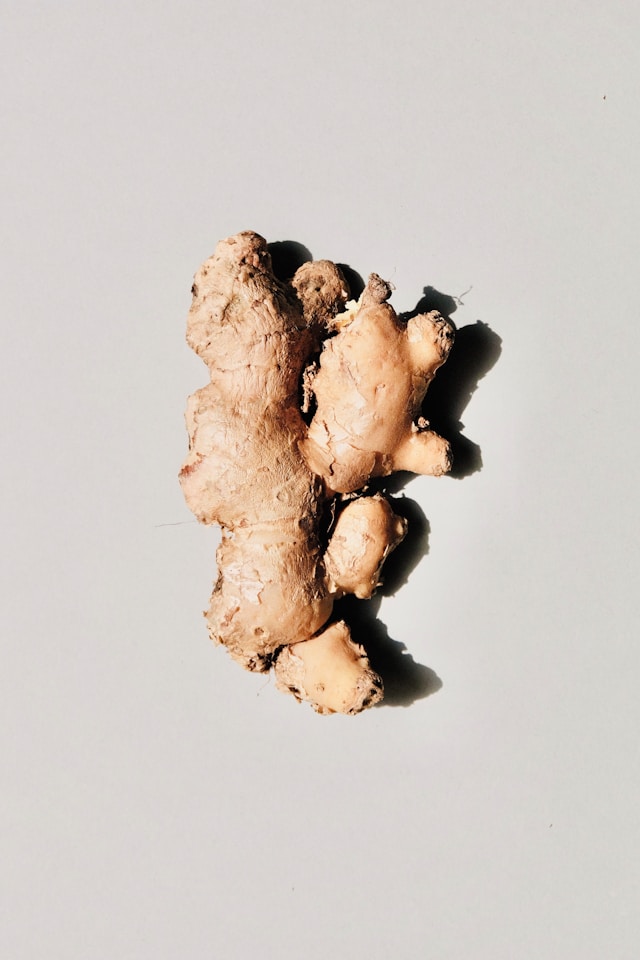
Turmeric has long been a mainstay in Indian and Southeast Asian cuisines, despite its recent rise in popularity in the US due to its possible anti-inflammatory qualities. The rhizome, linked to ginger, imparts an incandescent yellow hue and tastes like honey and soil-coated jasmine. Its vivid orange coloration is striking. It is particularly noticeable in dishes like coconut pie, saucy rice noodles, and cashew chicken.
Additional spices
It’s not necessary to buy the 20 spices on the aforementioned list before trying any other spices. List the dishes you cook, then organize your spice cupboard to contain the seasonings you use most often. To further stimulate your imagination, we also use bay leaf, celery seed, curry leaf, onion powder, and dried rosemary.